Alice Springs Dentist Explains How to Effectively Treat Gum Disease
Gum disease, also known as periodontal disease, is a common dental issue that affects millions of people worldwide. It can range from mild gingivitis to severe periodontitis and, if left untreated, can lead to tooth loss and other systemic health problems.
As a dentist in Alice Springs, it's essential to educate our patients about gum disease and the effective treatment options available to maintain good oral health.
In this guide, we will explore the various aspects of gum disease, its causes, symptoms, prevention, and most importantly, effective treatments. We will discuss the importance of early detection and the role of professional dental care in managing gum disease effectively.
Section 1: Understanding Gum Disease
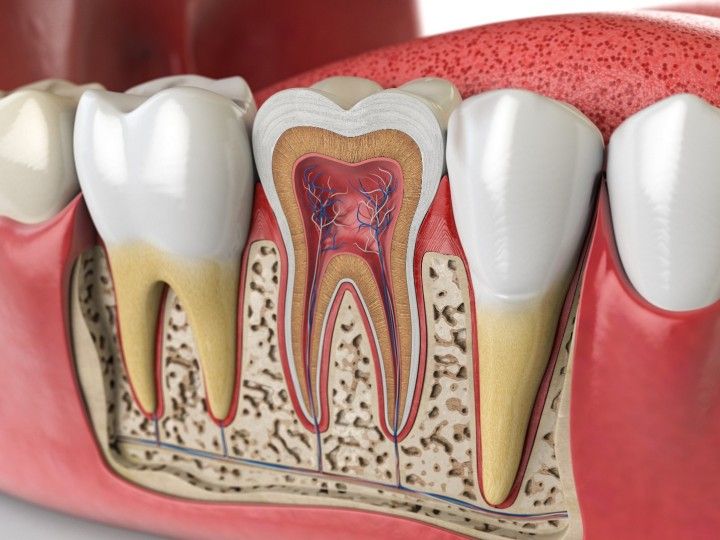
Gum disease is an umbrella term that encompasses a range of conditions affecting the supporting structures of the teeth, including the gums and bone. The two primary stages of gum disease are gingivitis and periodontitis.
1.1 Gingivitis
Gingivitis is the earliest stage of gum disease and is characterized by inflammation of the gum tissue. Common signs and symptoms of gingivitis include:
- Red and swollen gums
- Bleeding during brushing or flossing
- Bad breath (halitosis)
Gingivitis is usually caused by poor oral hygiene practices, such as infrequent brushing and flossing, leading to the accumulation of plaque, a soft, sticky film of bacteria on the teeth and gums.
1.2 Periodontitis
If gingivitis is left untreated, it can progress to periodontitis, a more severe form of gum disease. Periodontitis involves the loss of bone and connective tissue supporting the teeth, leading to more significant problems such as:
- Receding gums
- Tooth mobility
- Pus formation
- Tooth loss
Section 2: Causes of Gum Disease
Understanding the causes of gum disease is crucial for prevention and treatment. Several factors contribute to the development and progression of gum disease:
2.1 Poor Oral Hygiene
Inadequate brushing and flossing allow plaque to accumulate on the teeth and gums, eventually leading to gum inflammation.
2.2 Smoking and Tobacco Use
Smoking and the use of tobacco products increase the risk of gum disease by reducing blood flow to the gums and interfering with the body's ability to heal.
2.3 Genetics
Some individuals may be genetically predisposed to gum disease, making them more susceptible even with good oral hygiene practices.
2.4 Hormonal Changes
Hormonal fluctuations, such as those during pregnancy, menopause, or menstruation, can increase the risk of gum disease.
2.5 Medical Conditions
Certain medical conditions like diabetes and autoimmune disorders can impair the body's ability to fight gum infections.
Section 3: Symptoms of Gum Disease
Detecting gum disease early is vital for effective treatment. Recognizing the symptoms can help individuals seek timely dental care. Common signs and symptoms of gum disease include:
3.1 Bleeding Gums
The most common and early sign of gum disease is bleeding gums, often noticed while brushing or flossing.
3.2 Swollen and Red Gums
Inflammation and redness of the gums are characteristic of gum disease, particularly in the gingivitis stage.
3.3 Bad Breath
Persistent bad breath or halitosis is a common symptom of gum disease due to the presence of bacteria in the mouth.
3.4 Receding Gums
As gum disease progresses, the gumline may recede, exposing the tooth roots and making teeth appear longer.
3.5 Tooth Sensitivity
Tooth sensitivity to hot or cold temperatures can occur as gum disease progresses and the tooth roots become exposed.
3.6 Pus Formation
In severe cases of gum disease, pockets of pus may form between the teeth and gums, leading to pain and discomfort.
Section 4: Prevention of Gum Disease
Preventing gum disease is possible with good oral hygiene and a healthy lifestyle. Here are some essential steps individuals can take to reduce their risk:
4.1 Brushing and Flossing
Regular brushing with fluoride toothpaste and flossing can remove plaque and prevent its buildup.
4.2 Regular Dental Checkups
Routine dental visits allow for early detection and intervention if gum disease is developing.
4.3 Healthy Diet
Eating a balanced diet rich in fruits and vegetables can promote overall gum health.
4.4 Avoiding Tobacco
Quitting smoking and avoiding tobacco products can significantly reduce the risk of gum disease.
4.5 Managing Stress
Stress can weaken the immune system, making the body more susceptible to infections, including gum disease.
Section 5: Effective Treatment Options
When gum disease occurs, seeking professional dental treatment is essential to prevent further damage. The treatment approach depends on the severity of the condition.
5.1 Non-Surgical Treatments
- Scaling and Root Planing: This deep cleaning procedure removes plaque and tartar buildup from below the gumline.
- Antibiotics: Antibacterial medications may be prescribed to control infection.
- Antiseptic Mouthwash: Rinsing with an antiseptic mouthwash can help control bacterial growth.
5.2 Surgical Treatments
- Flap Surgery: In advanced cases, the dentist may need to lift the gum tissue to access and clean deep pockets of infection.
- Bone Grafts: When bone loss occurs, grafting procedures can help regenerate lost bone tissue.
- Soft Tissue Grafts: These procedures can cover exposed tooth roots and improve gum aesthetics.
5.3 Ongoing Maintenance
After treatment, patients must maintain good oral hygiene and attend regular dental checkups to monitor and manage the condition effectively.
Section 6: The Role of the Dentist
As a dentist in Alice Springs, our role is to provide comprehensive care for patients with gum disease. This includes:
6.1 Diagnosis and Assessment
Performing a thorough examination to assess the extent of gum disease and develop a personalized treatment plan.
6.2 Treatment Planning
Determining the most appropriate treatment options based on the severity of the condition and the patient's overall health.
6.3 Patient Education
Educating patients on proper oral hygiene practices and the importance of regular dental visits for gum disease prevention and management.
6.4 Treatment Execution
Administering non-surgical and surgical treatments as needed, including scaling and root planing, flap surgery, and more.
6.5 Ongoing Monitoring
Monitoring patients' progress and adjusting treatment plans as necessary to ensure the best possible outcomes.
Conclusion
In conclusion, gum disease is a common dental issue that can have serious consequences if left untreated. However, with proper understanding, prevention, and timely treatment, it can be effectively managed.
As a
dentist in Alice Springs, our commitment is to educate our patients about gum disease and provide the highest quality care to help them maintain healthy gums and overall oral health. By following good oral hygiene practices, seeking regular dental checkups, and addressing gum disease promptly, individuals can enjoy a lifetime of healthy smiles.