Cracked Tooth: Symptoms, Causes, and the Best Treatment Options in Alice Springs

Alice Dental Associates • December 1, 2025

Cracked Tooth: Symptoms, Causes, and the Best Treatment Options

A cracked tooth can cause pain, sensitivity, and long-term damage if left untreated. Learn the symptoms, causes, and treatment options available at Alice Dental Associates in Alice Springs.


A cracked tooth may seem like a small issue at first, but even a tiny fracture can lead to serious discomfort and complications if it’s not treated early. Many residents in Alice Springs experience cracked teeth from everyday habits like chewing hard foods, grinding, or simply because of our naturally dry, warm climate that can worsen dental wear.


At Alice Dental Associates, our team helps patients identify cracks early and provides modern, gentle treatment options to relieve pain and protect the tooth from further damage.


Common Symptoms of a Cracked Tooth

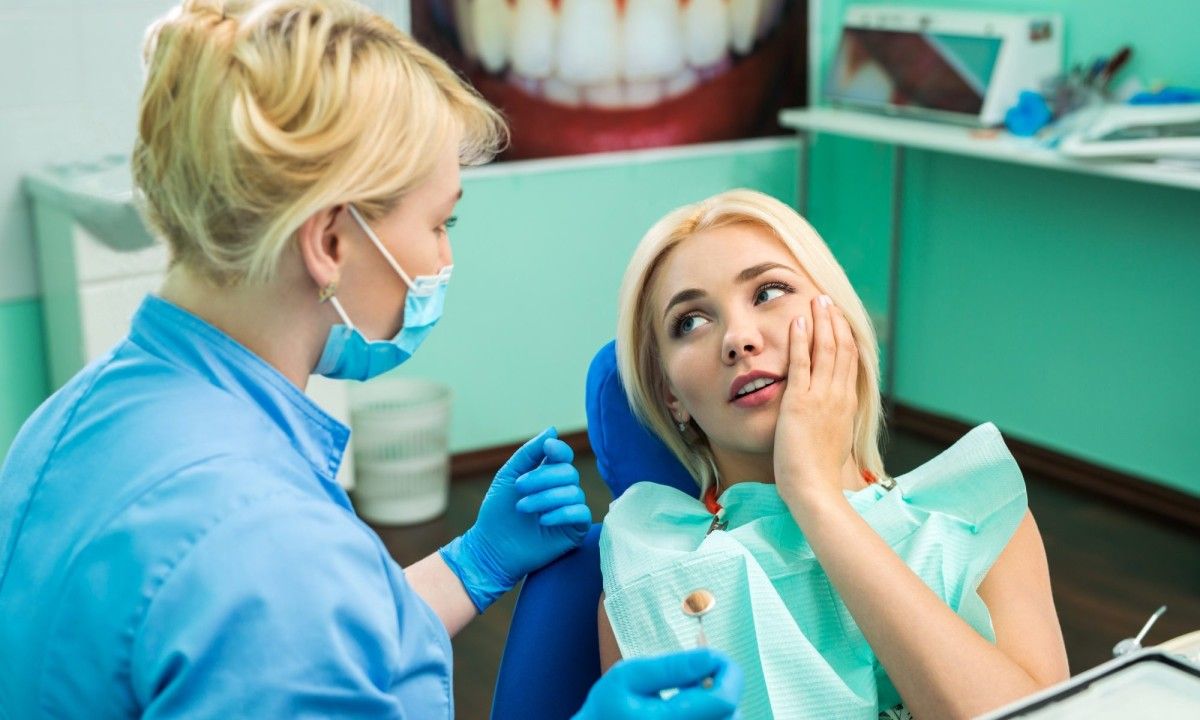
A cracked tooth can be tricky to diagnose because the pain often comes and goes. If you experience any of the symptoms below, it’s best to have the tooth checked as soon as possible:

✔ Sharp pain when chewing or biting down

This is one of the most common signs. Pain often appears only when pressure is applied.

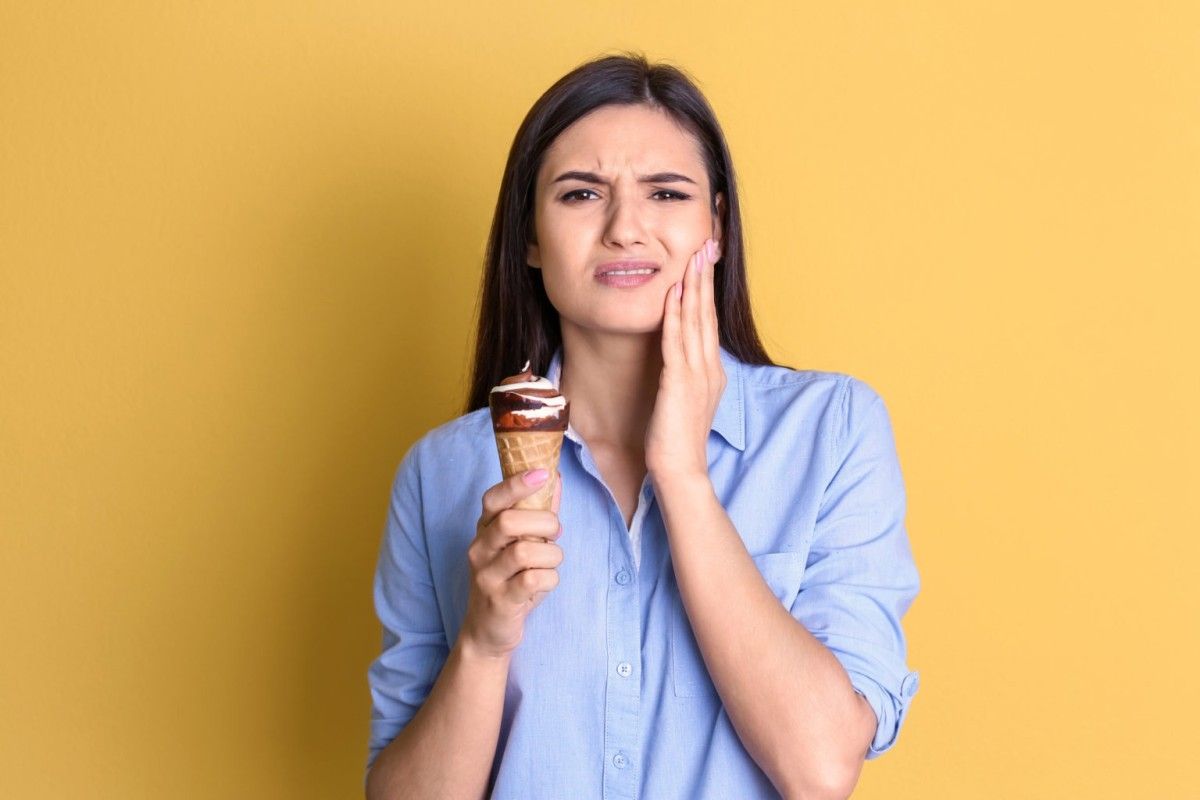
✔ Sensitivity to hot, cold, or sweet foods

Temperature changes can irritate the tooth’s nerve if a crack is present.

✔ Pain that comes and goes

Some cracks are very fine, causing intermittent discomfort rather than constant pain.

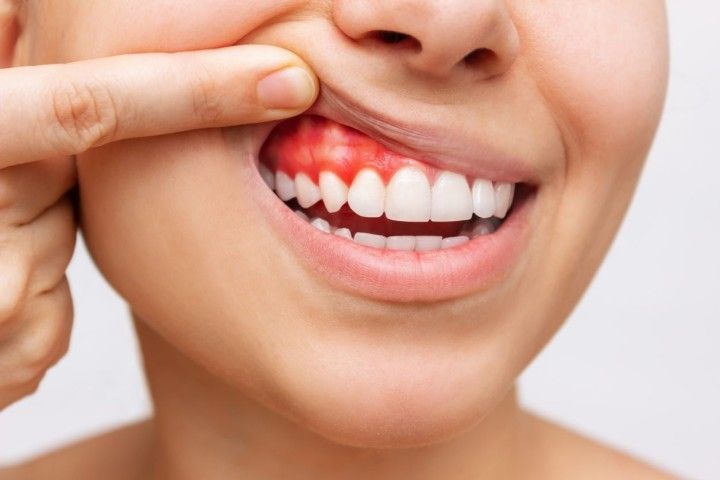
✔ Gum swelling or tenderness around the tooth

This may indicate inflammation or infection caused by bacteria entering the crack.

✔ Feeling that your bite is “off” or uneven


A cracked tooth can change the way your bite feels or functions.

If you notice these symptoms, early treatment is key — especially in a hot and dry region like Alice Springs, where dehydration can sometimes worsen dental sensitivity.


What Causes Teeth to Crack?

Cracked teeth are more common than many people realise. Some of the most frequent causes include:


1. Biting Hard Foods

Ice, nuts, hard lollies, and even unexpected stones in food can cause cracks.

2. Teeth Grinding or Clenching (Bruxism)

Many patients in Alice Springs grind their teeth at night, often due to stress or sleep issues. Grinding puts constant pressure on teeth, increasing the chance of fractures.

3. Large or Old Fillings

Teeth with big fillings are weaker and more prone to cracking over time.

4. Accidents, Trauma, or Sports Injuries

Falls, car accidents, or being hit during sports can easily lead to cracked teeth.

5. Natural Ageing and Wear

Teeth naturally weaken as we get older, making cracks more likely.


Best Treatment Options for a Cracked Tooth

The right treatment depends on the location, depth, and severity of the crack. At Alice Dental Associates, we offer a range of modern solutions to save and restore damaged teeth.

✔ Dental Bonding

Best for minor, superficial cracks. A tooth-coloured resin is applied to protect the enamel and restore appearance.

✔ Dental Crowns

Ideal for deeper or structural cracks. A custom-made crown covers the entire tooth, preventing the crack from spreading.

✔ Root Canal Treatment

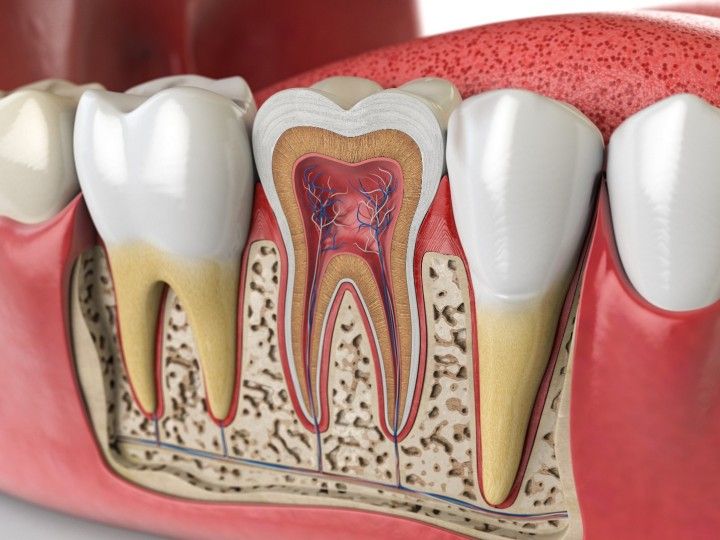
Recommended when a crack extends into the pulp (nerve). This removes the damaged nerve, treats infection, and preserves the natural tooth.

✔ Tooth Extraction

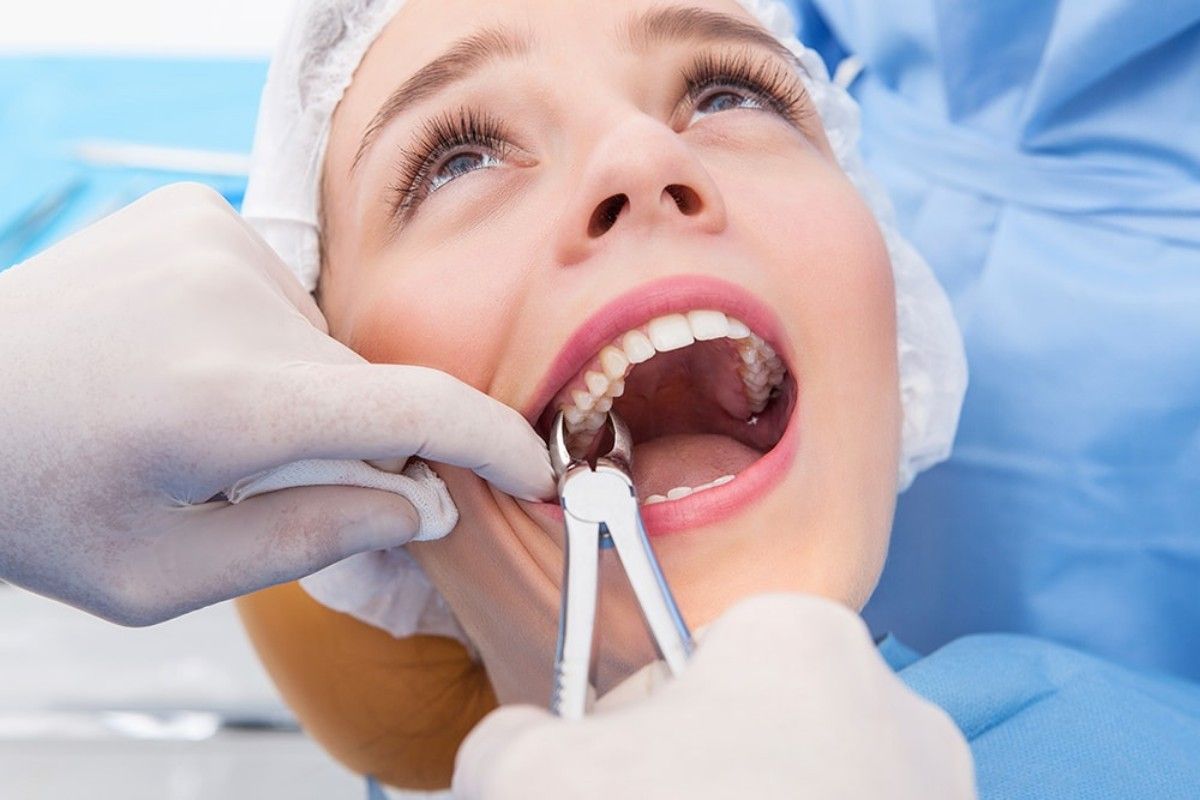
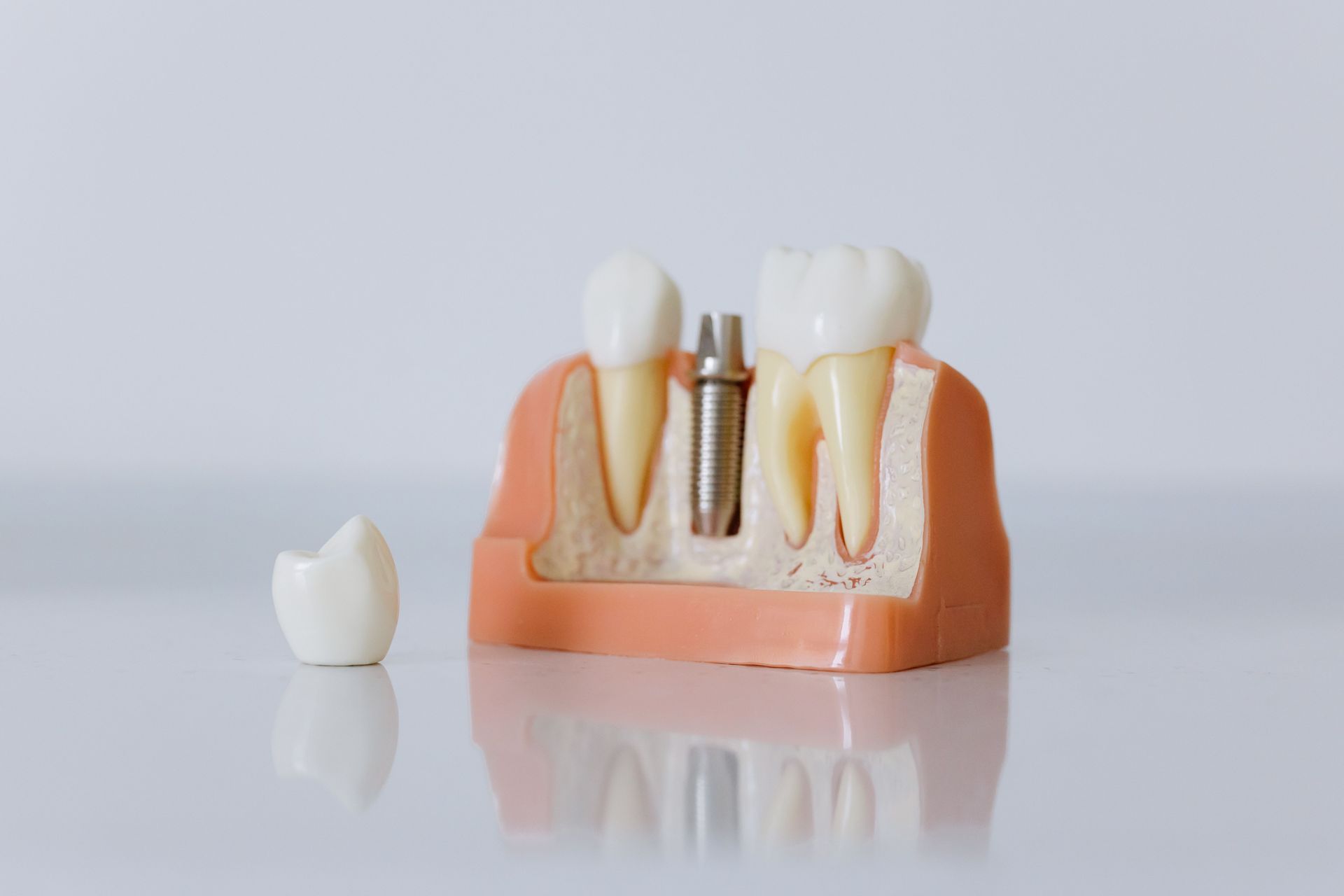
Used only as a last resort. If the tooth cannot be saved, extraction prevents infection from spreading, and replacement options—like implants or bridges—can restore function.


When Should You Seek Treatment?

Immediately.
Cracks
do not heal on their own and tend to worsen with time. The earlier the crack is diagnosed, the simpler and more affordable the treatment usually is.

If you notice sharp pain, sensitivity, or any unusual symptoms, it’s best to book an appointment promptly — especially before the crack reaches the nerve.


Expert Cracked Tooth Care in Alice Springs

At Alice Dental Associates, we provide fast, gentle, and precise care for cracked teeth using the latest dental technology. Whether the crack is small or severe, our team will guide you through the best treatment to protect your smile and relieve discomfort.


📞 Book an appointment today: 0889526055


We’re here to help you keep your teeth strong and healthy — now and for years to come.
Dentist's Perspective
By Tim Wissman February 15, 2024
Nightguards have become increasingly popular in recent years for their role in protecting teeth from nighttime grinding and clenching.
Dental Emergencies
By Tim Wissman February 15, 2024
Dental emergencies can be both painful and distressing, and knowing how to handle them is crucial to minimize pain.
Wisdom Tooth Removed
By Tim Wissman February 15, 2024
The prospect of having your wisdom teeth removed can be a daunting experience for many. It's a common dental procedure.
Sensitive Teeth
By Tim Wissman February 15, 2024
Sensitive teeth, also known as dentin hypersensitivity, is a common dental issue that affects millions of people around the world.
Dental Insurance in Alice Springs
By Tim Wissman January 25, 2024
Dental health is a vital component of overall well-being, and maintaining it requires regular check-ups, cleanings, and sometimes more extensive treatments.
Teeth
By Tim Wissman January 25, 2024
Maintaining good oral health is essential for a comfortable and fulfilling life. While many aspects of dental care focus on prevention and maintenance
Bad Breath
By Tim Wissman January 25, 2024
Bad breath, also known as halitosis, is a common oral health concern that can affect anyone, regardless of age or gender.
Treat Gum Disease
By Tim Wissman January 25, 2024
Gum disease, also known as periodontal disease, is a common dental issue that affects millions of people worldwide. It can range from mild gingivitis to severe periodontitis and.
By Tim Wissman December 28, 2023
Are you one of those people who only visit the dentist when you have a toothache? If so, you're not alone. Many folks tend to put off those biannual dental check-ups, often underestimating their importance. However, here's a friendly reminder: regular dental check-ups are the secret to maintaining a dazzling smile and excellent oral health for both kids and adults. So, let's dive into the cheerful world of dentistry and explore why these check-ups are worth the time and effort. 1. Prevention is the Best Medicine You've heard it before, but it's worth repeating: prevention is indeed the best medicine. Regular dental check-ups help catch oral health issues early, often before you even notice any symptoms. Your friendly dentist can spot those tiny cavities, gum disease, or other problems when they are easier and less costly to treat. 2. Avoiding the Dreaded Toothache One of the most unpleasant things in life is a toothache. Those sharp, throbbing pains can put a damper on your day, your mood, and your appetite! Regular dental check-ups can help prevent toothaches by identifying and addressing issues before they become agonizing problems. 3. Keeping Your Pearly Whites Gleaming Who doesn't want a bright, beautiful smile? Regular dental check-ups can help maintain your teeth's natural whiteness and sparkle. Your dentist can remove stains, plaque, and tartar that regular brushing and flossing can't reach, leaving your smile as radiant as ever. 4. Good Oral Health Equals Good Overall Health Believe it or not, your oral health is closely linked to your overall health. Gum disease, for instance, has been linked to various systemic conditions, including heart disease and diabetes. By keeping your mouth healthy, you're also taking steps to keep your whole body in tip-top shape. 5. Boosting Your Self-Confidence A healthy, attractive smile is an instant confidence booster. When your teeth look and feel their best, you're more likely to smile freely and confidently, and that can have a positive impact on your personal and professional life. 6. Keeping Dental Costs in Check Skipping regular dental check-ups may seem like a cost-saving move, but it can end up being more expensive in the long run. Dental problems that go unnoticed and untreated can lead to complex, expensive procedures. By catching issues early through routine check-ups, you can save both your smile and your wallet. 7. Setting a Positive Example for Kids Regular dental check-ups are crucial for kids, too! By making dental care a family affair, you set a positive example for your little ones. You teach them that taking care of their teeth is a lifelong habit and not something to dread. 8. Tailored Care for Your Unique Needs Dental check-ups aren't one-size-fits-all. Your dentist will provide personalized care based on your age, health history, and specific needs. For kids, this means monitoring the development of their baby teeth and ensuring proper alignment as they grow. For adults, it might involve addressing issues like gum disease or tooth sensitivity. 9. Keeping Bad Habits in Check We all have our vices, whether it's indulging in too much sugar or skipping brushing every once in a while. Regular dental check-ups provide an opportunity for your dentist to spot any potential issues resulting from bad habits and offer guidance to help you make healthier choices. 10. Peace of Mind Finally, perhaps the most comforting reason of all: peace of mind. Knowing that you're taking proactive steps to care for your oral health can help you rest easy. You won't have to lie awake at night worrying about cavities, gum disease, or that mysterious toothache. Wrapping It Up with a Smile In conclusion, regular dental check-ups are the foundation of a healthy, happy smile. They help prevent problems, maintain your oral health, and boost your confidence. Plus, they set an excellent example for the kiddos and ensure that everyone in the family is on the path to a lifetime of beautiful smiles. So, when was your last dental check-up? If it's been a while, don't wait any longer! Schedule your appointment today Dentist Alice Springs and keep that smile shining bright. Your future self will thank you, and your dentist will greet you with a cheerful smile and a warm, "Welcome back!"
By Tim Wissman December 28, 2023
Introduction Visiting the dentist is essential for maintaining good oral health, but for many people, it can be a source of anxiety and fear. Whether you're an adult who's had dental anxiety for years or a parent concerned about your child's dental experience, this blog post is here to help. We'll explore effective strategies and options for managing dental anxiety, from relaxation techniques to sedation options, ensuring that your dental appointments are as stress-free as possible. Part 1: Understanding Dental Anxiety What Is Dental Anxiety? Dental anxiety, also known as dental phobia or dental fear, is a common condition characterized by feelings of fear or unease associated with dental visits. It can range from mild apprehension to severe, paralyzing fear. Causes of Dental Anxiety Understanding the causes of dental anxiety can help individuals and parents address their concerns effectively. Common causes include: Past Traumatic Experiences: Negative experiences during previous dental visits can create lasting fear. Fear of Pain: The fear of pain or discomfort during dental procedures is a significant trigger. Fear of Loss of Control: Some individuals fear a loss of control while sitting in the dental chair. Fear of the Unknown: Lack of information about the procedure can also contribute to anxiety. Part 2: Tips and Strategies for Managing Dental Anxiety 1. Choose a Compassionate Dentist Selecting a dentist who understands and empathizes with dental anxiety is essential. A caring dentist can take the time to explain procedures, answer questions, and make you feel comfortable. 2. Communicate Openly Discuss your anxiety with your dentist before the appointment. Share your fears, concerns, and past experiences, allowing your dentist to tailor their approach to your needs. 3. Gradual Exposure If your anxiety is severe, consider a series of appointments for non-invasive treatments like cleanings or examinations to build trust and gradually become more comfortable. 4. Relaxation Techniques Practice relaxation techniques, such as deep breathing, meditation, or guided imagery, before and during your appointment to reduce anxiety. 5. Distraction Techniques Bring headphones and listen to soothing music or an audiobook during your appointment to divert your attention from the dental procedure. 6. Positive Visualization Imagine a positive outcome and focus on the benefits of maintaining good oral health to counter negative thoughts. 7. Signal System Create a signal with your dentist (e.g., raising your hand) to indicate when you need a break during the procedure. 8. Sedation Options Explore sedation options, especially for more extensive procedures or severe anxiety. Part 3: Sedation Options for Dental Anxiety 1. Nitrous Oxide (Laughing Gas) Nitrous oxide is a mild sedative administered through a mask placed over the nose. It induces a sense of relaxation and euphoria during the procedure while allowing you to remain conscious and responsive. It's safe for both children and adults. 2. Oral Sedation Oral sedation involves taking a prescribed sedative pill before the dental appointment. This option can range from mild to moderate sedation, depending on the dosage. It's suitable for individuals with moderate anxiety. 3. Intravenous (IV) Sedation IV sedation is administered intravenously, allowing for precise control over the sedative's effects. It is often used for more complex procedures and can range from conscious sedation to deep sedation. 4. General Anesthesia General anesthesia renders the patient completely unconscious during the dental procedure. It is typically reserved for extensive dental surgeries or patients with severe dental phobia. Part 4: Dental Anxiety in Children Recognizing Dental Anxiety in Children Dental anxiety in children can manifest as resistance to dental appointments, excessive crying, or visible fear when faced with dental instruments. Strategies for Managing Dental Anxiety in Children Start Early: Introduce your child to the dentist at a young age to establish a positive dental experience. Choose a Pediatric Dentist: Pediatric dentists are trained to work with children and create a child-friendly environment. Avoid Negative Language: Use positive language when discussing dental appointments and avoid phrases that may create fear. Role Play: Engage in role-playing at home to familiarize your child with dental instruments and procedures. Praise and Rewards: Offer praise and small rewards for cooperative behavior during dental visits. Conclusion Managing dental anxiety is crucial for maintaining optimal oral health for both children and adults. By understanding the causes of dental anxiety and implementing strategies like open communication, relaxation techniques, and the use of sedation options when necessary, you can make dental visits a more comfortable and stress-free experience. Remember that dental professionals Alice Springs are there to support you and ensure your oral health, so don't hesitate to discuss your concerns and explore the available options that best suit your needs and preferences. A healthy smile begins with a relaxed and confident approach to dental care.