Dental Procedures Explained: A Comprehensive Guide to Fillings, Root Canals, and Teeth Whitening
Introduction
Maintaining good oral health not only involves regular brushing and flossing but also understanding the common dental procedures that help keep your teeth in top condition. In this detailed blog post, we will explore three frequently performed dental procedures: fillings, root canals, and teeth whitening. We'll provide in-depth explanations of these procedures, address common patient concerns, and debunk misconceptions to help you make informed decisions about your dental care.
Part 1: Dental Fillings
What Are Dental Fillings?
Dental fillings, also known as dental restorations, are a common dental procedure used to repair teeth damaged by decay or cavities. They help restore the tooth's structure and function.
The Procedure
- Diagnosis: Your dentist begins by diagnosing the need for a filling using a visual examination and X-rays.
- Anesthesia: Local anesthesia is administered to numb the affected tooth and the surrounding area.
- Removal of Decay: The dentist removes the decayed portion of the tooth using a dental drill or laser.
- Filling Placement: After cleaning and shaping the cavity, the dentist fills it with a suitable material.
- Shaping and Polishing: The filling is shaped to fit the natural contours of your tooth and polished for a smooth finish.
Concerns and Misconceptions
Concern #1: Pain During the Procedure
While some patients may experience mild discomfort, the local anesthesia ensures that you don't feel pain during the filling procedure.
Concern #2: Appearance of Fillings
Modern fillings are available in various materials, including tooth-colored composite resin, which blends seamlessly with your natural teeth, making them virtually invisible.
Concern #3: Durability
Dental fillings are durable and can last for many years with proper care and regular dental check-ups.
Part 2: Root Canal Therapy
What Is a Root Canal?
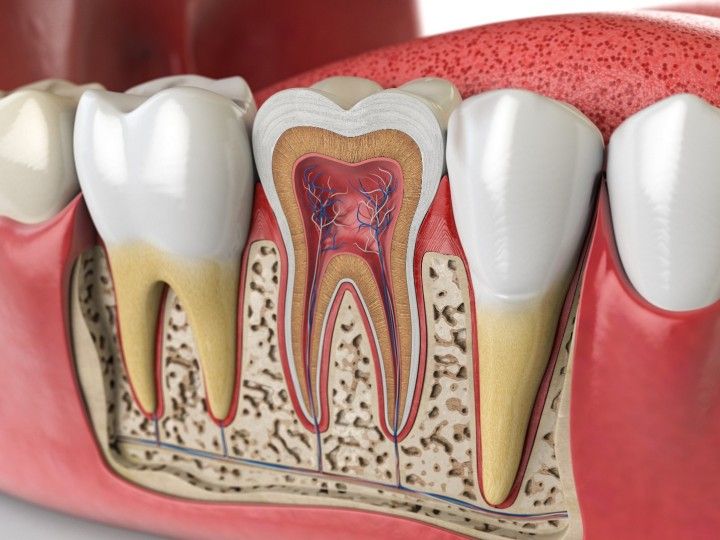
Root canal therapy, often referred to simply as a "root canal," is a procedure used to treat and save a tooth that is severely infected or damaged, typically due to deep decay or trauma.
The Procedure
- Anesthesia: Local anesthesia is administered to numb the tooth and surrounding area.
- Access Opening: The dentist creates a small opening in the tooth to access the infected pulp.
- Pulp Removal: The infected or damaged pulp tissue is carefully removed from the tooth's root canals.
- Cleaning and Disinfection: The canals are cleaned, disinfected, and shaped to prepare for filling.
- Filling and Sealing: The canals are filled with a biocompatible material, and the access opening is sealed.
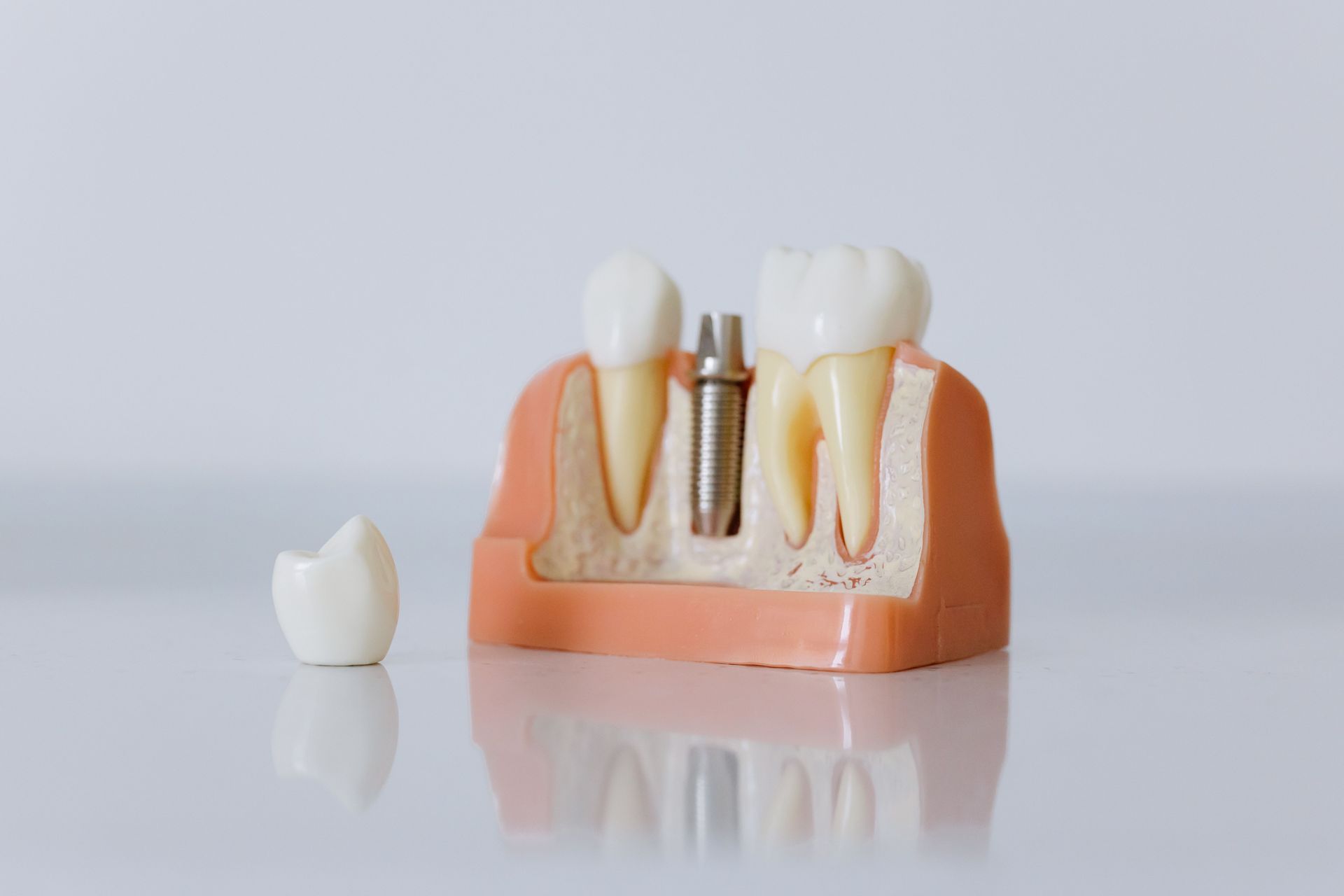
- Restoration: In most cases, a crown is placed over the treated tooth to protect it and restore its functionality.
Concerns and Misconceptions
Concern #1: Pain During a Root Canal
Modern root canals are virtually painless, thanks to advanced anesthesia techniques. Patients often report feeling relief from the pain caused by the infection.
Concern #2: Tooth Extraction vs. Root Canal
Saving a natural tooth through a root canal is usually preferable to extraction because it maintains the structure and function of your mouth.
Concern #3: Root Canals Cause Illness
There is no scientific evidence to support the idea that root canals lead to systemic health issues. In fact, they are a safe and effective way to treat dental infections.
Part 3: Teeth Whitening
What Is Teeth Whitening?
Teeth whitening is a cosmetic dental procedure that can significantly enhance the appearance of your smile by removing stains and discoloration from your teeth.
The Procedure
- Preparation: Your dentist will examine your teeth and gums to ensure they are healthy and suitable for teeth whitening.
- Shade Selection: The dentist will help you choose the desired shade of white for your teeth.
- Isolation: Your dentist will protect your gums and lips with a barrier and apply a whitening gel or solution to your teeth.
- Activation: Some whitening procedures require the application of a special light or laser to activate the whitening agent.
- Rinsing and Evaluation: After the recommended time, the whitening agent is removed, and your dentist evaluates the results.
- Take-Home Kits: In some cases, your dentist may provide a take-home whitening kit for maintenance.
Concerns and Misconceptions
Concern #1: Tooth Sensitivity
Tooth sensitivity after teeth whitening is typically temporary and can be managed with desensitizing toothpaste or gels.
Concern #2: Damage to Tooth Enamel
Professional teeth whitening procedures are safe and do not harm tooth enamel when performed by a qualified dentist.
Concern #3: Results Don't Last
While the duration of results may vary, proper maintenance and avoiding staining foods and drinks can help prolong the effects of teeth whitening.
Conclusion
Understanding common dental procedures like fillings, root canals, and teeth whitening is essential for informed decision-making about your oral health and smile aesthetics. Modern dentistry has made these procedures safe, effective, and comfortable for patients. It's crucial to communicate openly with your Dentist Alice Springs, address any concerns or misconceptions, and follow their recommendations for the best possible outcome. Remember, maintaining regular dental check-ups and a consistent oral hygiene routine is key to achieving and preserving a healthy and beautiful smile.