Managing Dental Anxiety in Children and Adults: Tips, Strategies, and Sedation Options
Introduction
Visiting the dentist is essential for maintaining good oral health, but for many people, it can be a source of anxiety and fear. Whether you're an adult who's had dental anxiety for years or a parent concerned about your child's dental experience, this blog post is here to help. We'll explore effective strategies and options for managing dental anxiety, from relaxation techniques to sedation options, ensuring that your dental appointments are as stress-free as possible.
Part 1: Understanding Dental Anxiety
What Is Dental Anxiety?
Dental anxiety, also known as dental phobia or dental fear, is a common condition characterized by feelings of fear or unease associated with dental visits. It can range from mild apprehension to severe, paralyzing fear.
Causes of Dental Anxiety
Understanding the causes of dental anxiety can help individuals and parents address their concerns effectively. Common causes include:
- Past Traumatic Experiences: Negative experiences during previous dental visits can create lasting fear.
- Fear of Pain: The fear of pain or discomfort during dental procedures is a significant trigger.
- Fear of Loss of Control: Some individuals fear a loss of control while sitting in the dental chair.
- Fear of the Unknown: Lack of information about the procedure can also contribute to anxiety.
Part 2: Tips and Strategies for Managing Dental Anxiety
1. Choose a Compassionate Dentist
Selecting a dentist who understands and empathizes with dental anxiety is essential. A caring dentist can take the time to explain procedures, answer questions, and make you feel comfortable.
2. Communicate Openly
Discuss your anxiety with your dentist before the appointment. Share your fears, concerns, and past experiences, allowing your dentist to tailor their approach to your needs.
3. Gradual Exposure
If your anxiety is severe, consider a series of appointments for non-invasive treatments like cleanings or examinations to build trust and gradually become more comfortable.
4. Relaxation Techniques
Practice relaxation techniques, such as deep breathing, meditation, or guided imagery, before and during your appointment to reduce anxiety.
5. Distraction Techniques
Bring headphones and listen to soothing music or an audiobook during your appointment to divert your attention from the dental procedure.
6. Positive Visualization
Imagine a positive outcome and focus on the benefits of maintaining good oral health to counter negative thoughts.
7. Signal System
Create a signal with your dentist (e.g., raising your hand) to indicate when you need a break during the procedure.
8. Sedation Options
Explore sedation options, especially for more extensive procedures or severe anxiety.
Part 3: Sedation Options for Dental Anxiety
1. Nitrous Oxide (Laughing Gas)
Nitrous oxide is a mild sedative administered through a mask placed over the nose. It induces a sense of relaxation and euphoria during the procedure while allowing you to remain conscious and responsive. It's safe for both children and adults.
2. Oral Sedation
Oral sedation involves taking a prescribed sedative pill before the dental appointment. This option can range from mild to moderate sedation, depending on the dosage. It's suitable for individuals with moderate anxiety.
3. Intravenous (IV) Sedation
IV sedation is administered intravenously, allowing for precise control over the sedative's effects. It is often used for more complex procedures and can range from conscious sedation to deep sedation.
4. General Anesthesia
General anesthesia renders the patient completely unconscious during the dental procedure. It is typically reserved for extensive dental surgeries or patients with severe dental phobia.
Part 4: Dental Anxiety in Children
Recognizing Dental Anxiety in Children
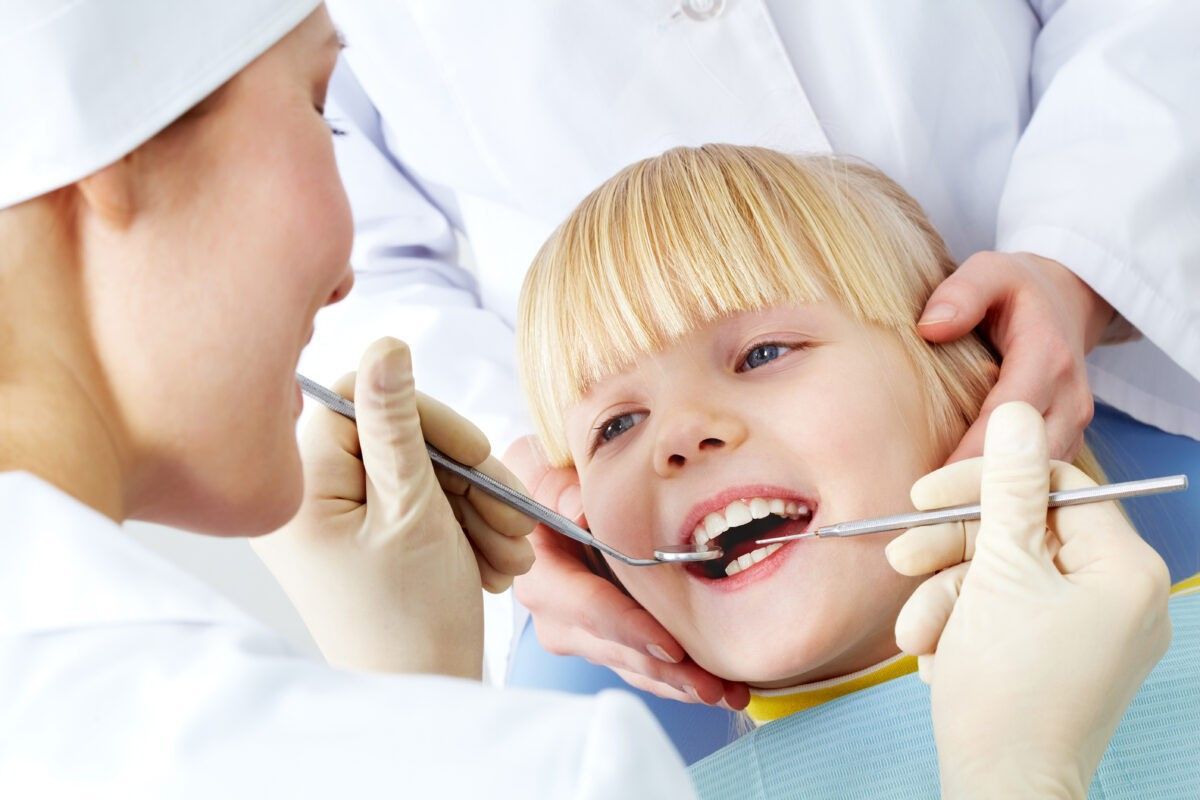
Dental anxiety in children can manifest as resistance to dental appointments, excessive crying, or visible fear when faced with dental instruments.
Strategies for Managing Dental Anxiety in Children
- Start Early: Introduce your child to the dentist at a young age to establish a positive dental experience.
- Choose a Pediatric Dentist: Pediatric dentists are trained to work with children and create a child-friendly environment.
- Avoid Negative Language: Use positive language when discussing dental appointments and avoid phrases that may create fear.
- Role Play: Engage in role-playing at home to familiarize your child with dental instruments and procedures.
- Praise and Rewards: Offer praise and small rewards for cooperative behavior during dental visits.
Conclusion
Managing dental anxiety is crucial for maintaining optimal oral health for both children and adults. By understanding the causes of dental anxiety and implementing strategies like open communication, relaxation techniques, and the use of sedation options when necessary, you can make dental visits a more comfortable and stress-free experience. Remember that dental professionals Alice Springs are there to support you and ensure your oral health, so don't hesitate to discuss your concerns and explore the available options that best suit your needs and preferences. A healthy smile begins with a relaxed and confident approach to dental care.