A Comprehensive Guide to Dental Health: Tips for Healthy Teeth and Gums
Introduction
Maintaining good oral health is essential for your overall well-being. Healthy teeth and gums not only contribute to your confidence and appearance but also play a crucial role in your ability to eat, speak, and enjoy life to the fullest. To help you achieve and maintain optimal dental health, this comprehensive guide provides clear and easy-to-follow guidelines for taking care of your teeth and gums.
- The Basics of Dental Hygiene
1.1. Daily Oral Care Routine
Establishing a consistent daily oral care routine is the foundation of good dental health. This routine should include brushing, flossing, and rinsing with mouthwash.
1.2. Choosing the Right Toothbrush and Toothpaste
Select a soft-bristle toothbrush and fluoride toothpaste recommended by your dentist. Change your toothbrush every 3-4 months or when the bristles appear worn.
1.3. Proper Brushing Technique
Brush your teeth at least twice a day, in the morning and before bedtime. Use gentle, circular motions to clean all tooth surfaces, including the fronts, backs, and chewing surfaces. Don't forget to brush your tongue to remove bacteria and freshen your breath.
1.4. The Importance of Flossing
Flossing helps remove food particles and plaque from between your teeth and along the gumline. Floss at least once a day, using a gentle back-and-forth motion, and be sure to reach all teeth.
1.5. Rinsing with Mouthwash
Mouthwash can help kill bacteria and freshen your breath. Use a fluoride or antimicrobial mouthwash as directed by your dentist.
1.6. Tongue Cleaning
To maintain fresh breath and reduce bacteria buildup, consider using a tongue scraper or your toothbrush to gently clean your tongue's surface.
- Nutritional Choices for Dental Health
2.1. The Impact of Diet on Dental Health
Your diet plays a significant role in your dental health. What you eat and drink can affect the health of your teeth and gums.
2.2. Foods That Promote Healthy Teeth and Gums
Consume foods rich in calcium, such as dairy products, leafy greens, and fortified foods. Include plenty of fruits and vegetables in your diet, as they provide essential vitamins and antioxidants. Drinking water helps rinse away food particles and maintain adequate saliva production.
2.3. Foods to Limit or Avoid
Limit your intake of sugary snacks and beverages, as sugar promotes tooth decay. Acidic foods and drinks like citrus fruits and sodas can erode enamel, so consume them in moderation. If you do indulge in sugary or acidic items, rinse your mouth with water afterward.
- Avoiding Harmful Habits
3.1. Tobacco Use and Oral Health
Smoking and using smokeless tobacco products significantly increase the risk of oral cancer, gum disease, and tooth loss. Quitting tobacco is one of the best things you can do for your dental health.
3.2. Limiting Alcohol Consumption
Excessive alcohol consumption can lead to dry mouth, which increases the risk of cavities and gum disease. Consume alcoholic beverages in moderation and drink plenty of water to stay hydrated.
3.3. Reducing Sugar Intake
As mentioned earlier, sugar is a major contributor to tooth decay. Reducing your sugar intake, especially from sugary snacks and beverages, can help protect your teeth.
3.4. Managing Stress
Stress can contribute to teeth grinding and clenching, which can lead to dental problems. Practice stress-reduction techniques like meditation, yoga, or deep breathing exercises to protect your oral health.
- Regular Dental Checkups
4.1. Importance of Routine Dental Visits
Regular dental checkups are essential for preventing and addressing dental issues early. Your dentist can identify and treat problems before they become more serious.
4.2. Finding the Right Dentist
Choose a qualified and experienced dentist who makes you feel comfortable. Don't hesitate to ask for recommendations from friends or family.
4.3. What to Expect During a Dental Checkup
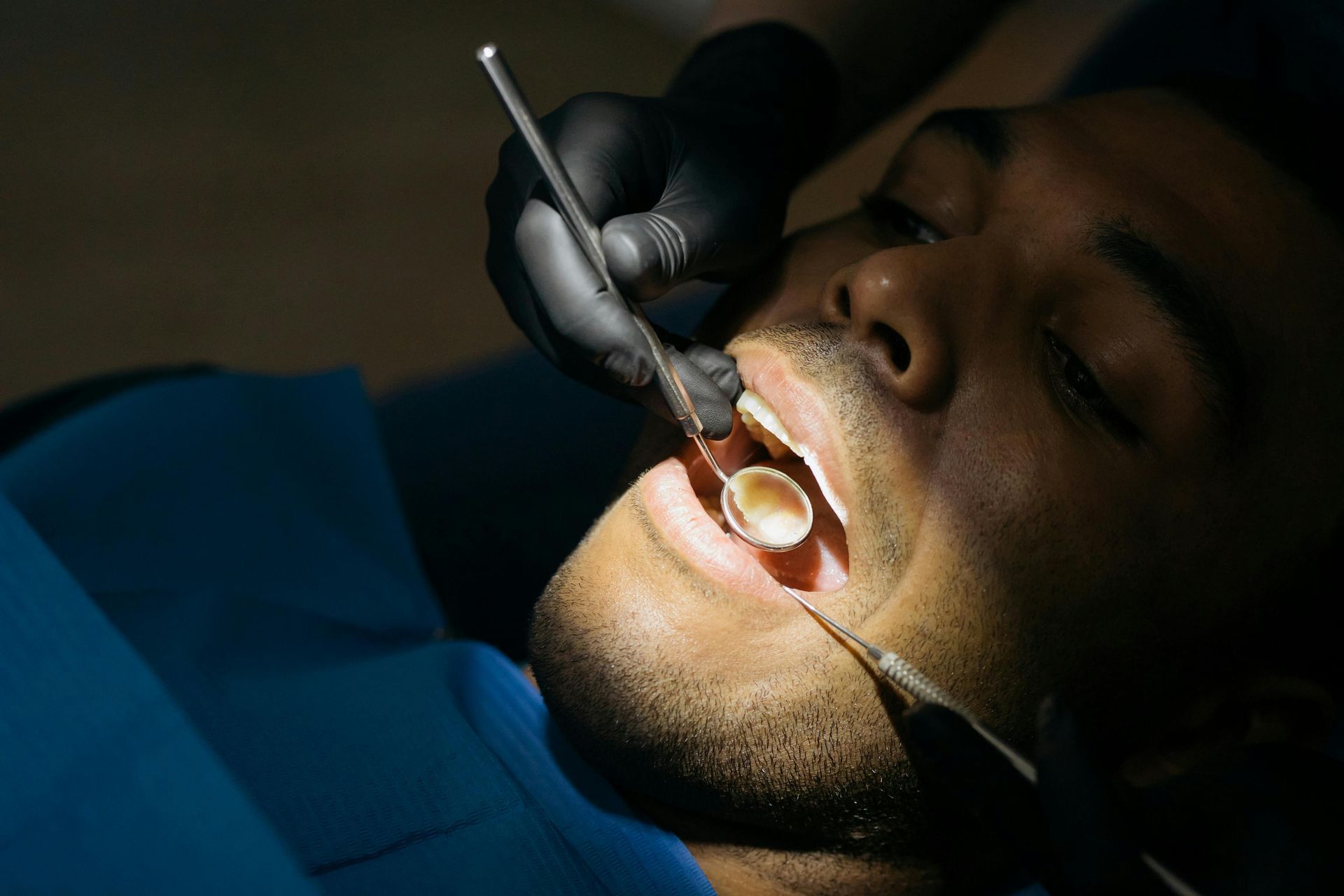
A typical dental checkup includes a thorough examination of your teeth and gums, X-rays if needed, and a professional cleaning. Your dentist will also discuss any concerns or potential treatments.
4.4. Dental X-Rays
X-rays are essential for detecting hidden dental issues such as cavities between teeth or problems with the jawbone. Dentists use the lowest radiation levels necessary to obtain the required information, and protective lead aprons are used to minimize exposure.
- Dealing with Common Dental Issues
5.1. Cavities and Tooth Decay
Cavities are areas of tooth decay caused by bacteria and acid. To prevent cavities, follow good oral hygiene practices, limit sugary foods and drinks, and consider dental sealants or fluoride treatments.
5.2. Gum Disease (Gingivitis and Periodontitis)
Gum disease can lead to tooth loss and other health problems. Early-stage gum disease (gingivitis) can often be reversed with improved oral hygiene. More advanced gum disease (periodontitis) may require professional treatment.
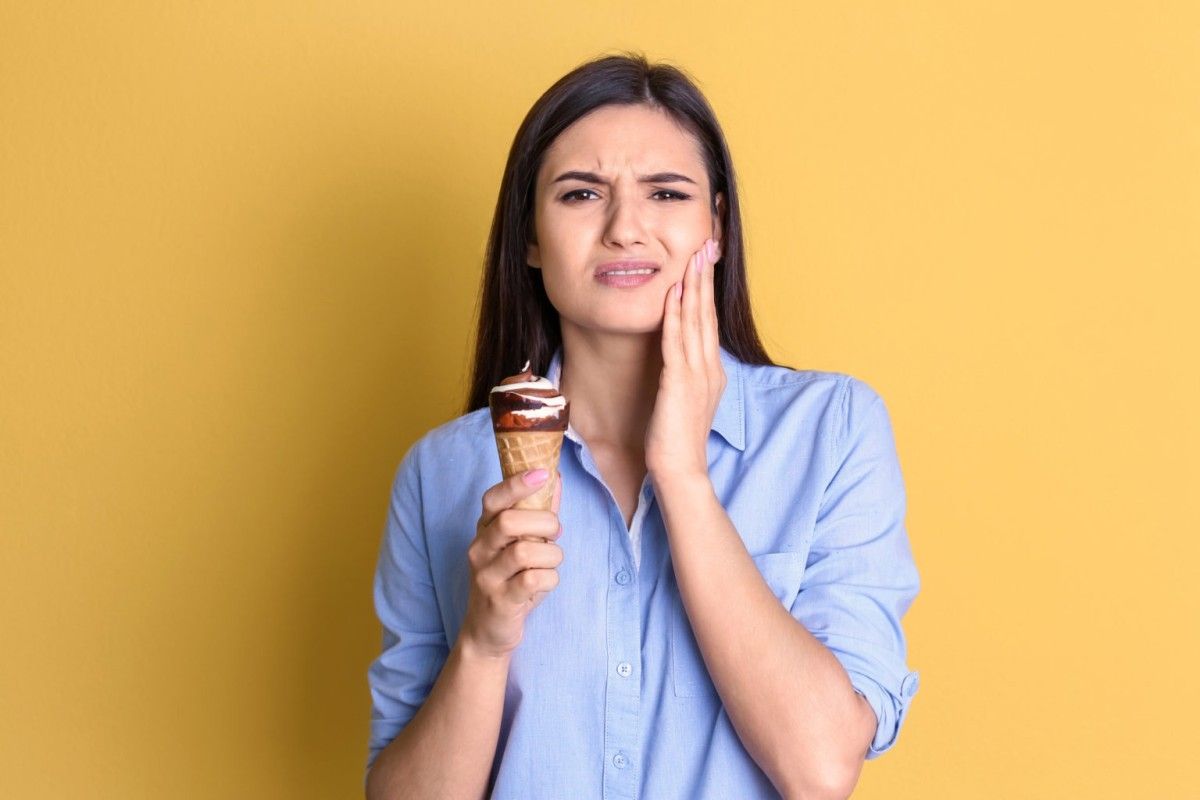
5.3. Tooth Sensitivity
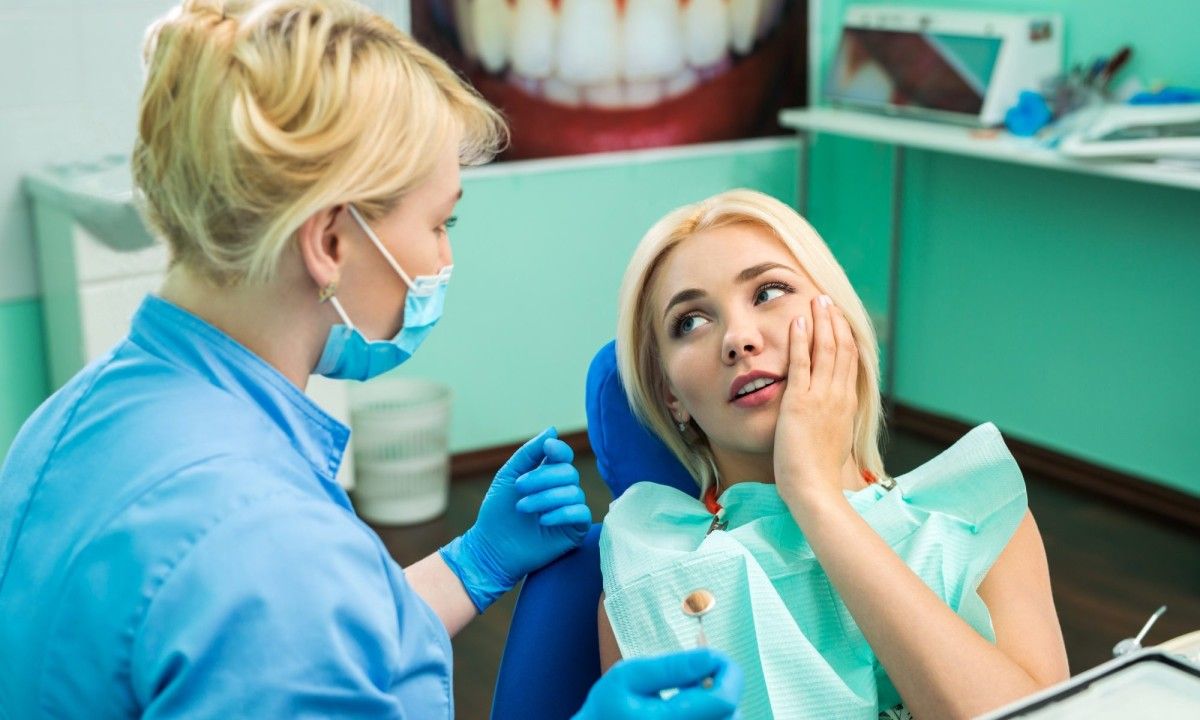
Tooth sensitivity can be caused by factors like exposed tooth roots, enamel erosion, or cavities. Your dentist can recommend treatments and toothpaste designed to reduce sensitivity.
5.4. Bad Breath (Halitosis)
Persistent bad breath may be a sign of underlying dental or health issues. Maintain good oral hygiene, stay hydrated, and avoid tobacco and certain foods. If bad breath persists, consult your dentist.
5.5. Teeth Grinding (Bruxism)
Teeth grinding can lead to worn-down teeth, jaw pain, and headaches. A custom-made nightguard can protect your teeth while you sleep. Stress management techniques can also help reduce grinding.
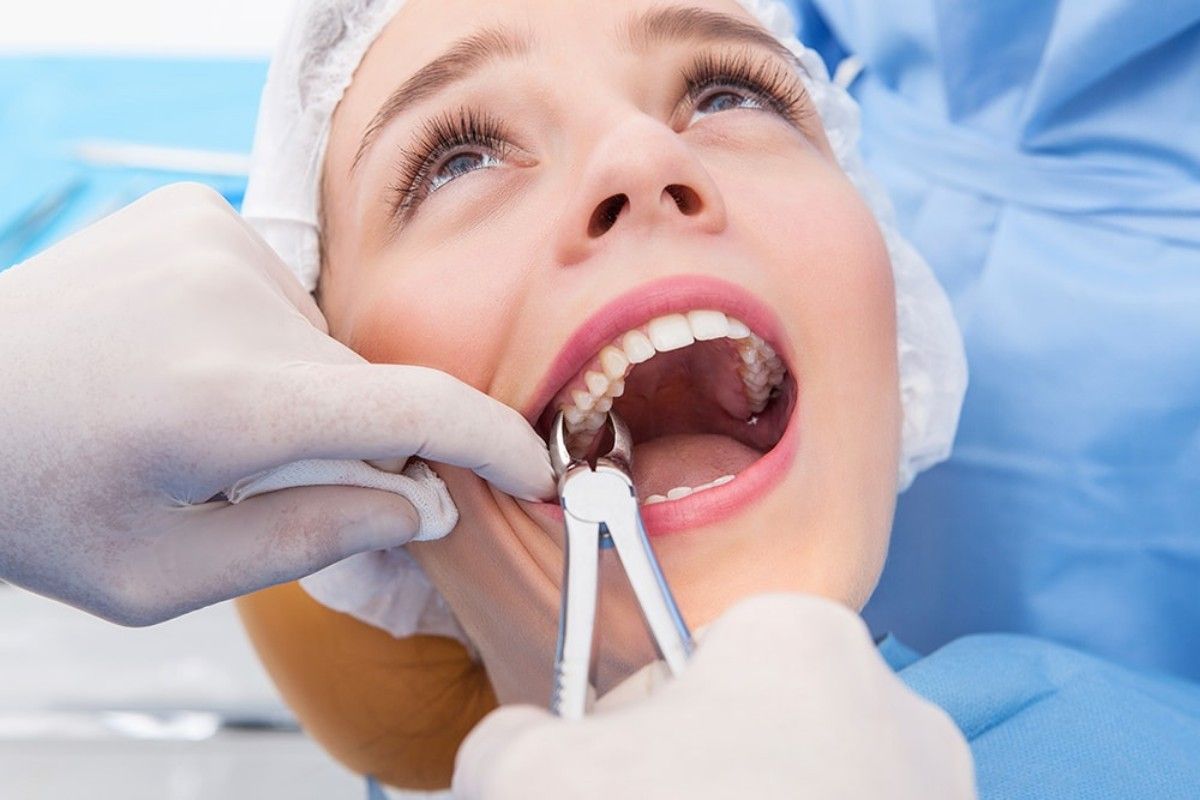
5.6. Tooth Loss and Replacement Options
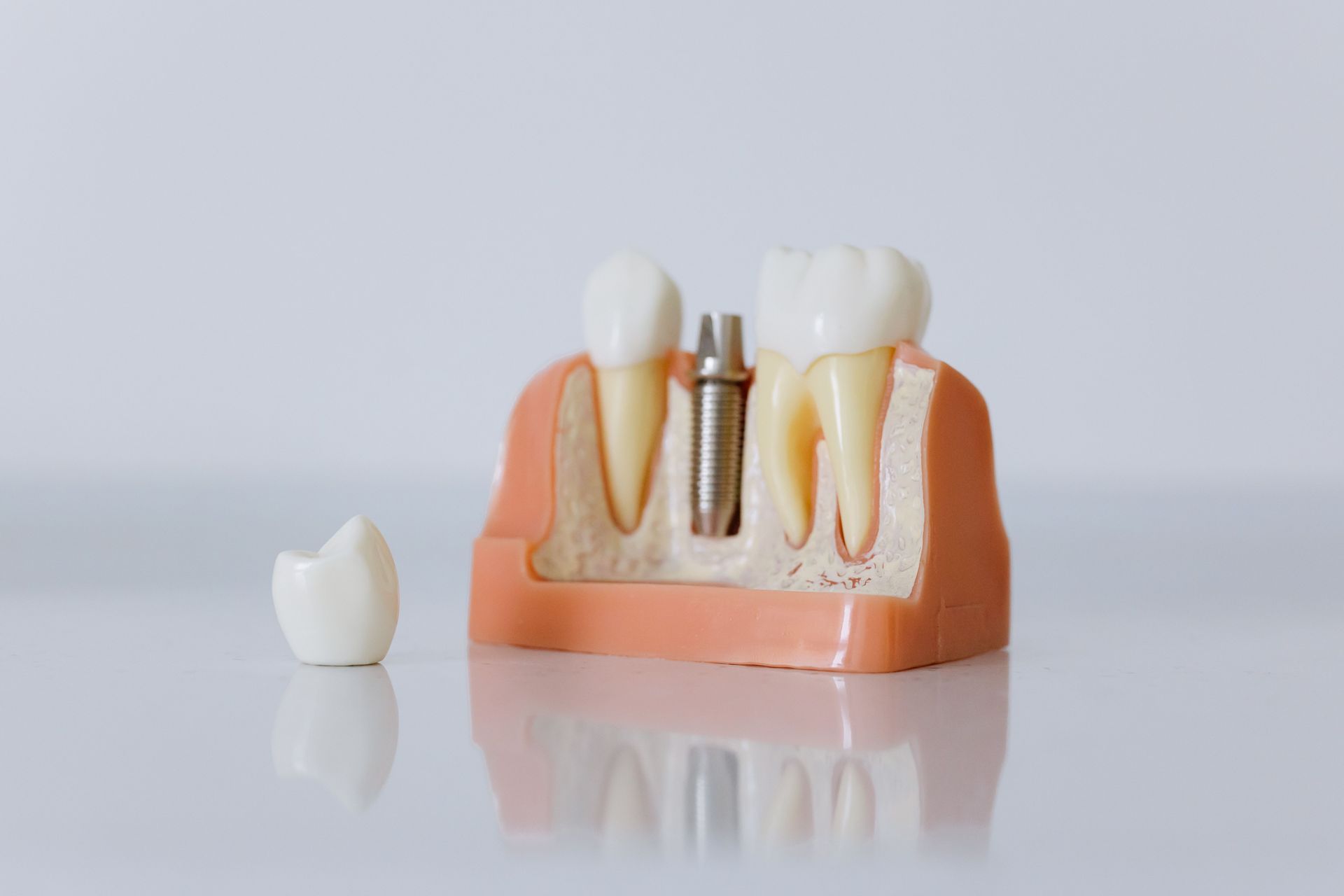
If you lose a tooth, consider options like dental implants, bridges, or dentures to restore your smile and chewing function. Discuss the best choice for your specific situation with your dentist.
- Dental Care Throughout Life Stages
6.1. Children's Dental Health
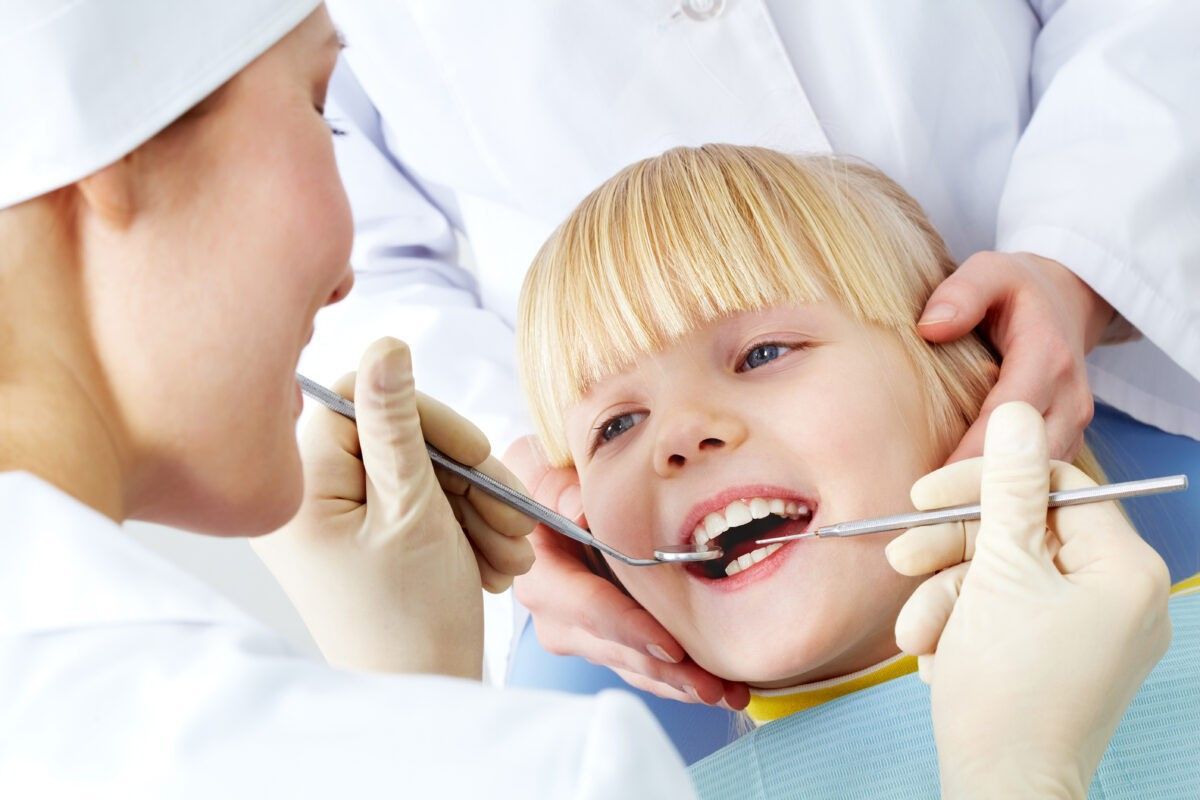
Teach children good oral hygiene habits from a young age. Use fluoride toothpaste and schedule their first dental visit by their first birthday.
6.2. Teenagers and Orthodontic Care
Many teenagers undergo orthodontic treatment to correct issues like misaligned teeth or bite problems. Proper care of braces or aligners is crucial to avoid complications.
6.3. Adult Oral Health
Maintain your oral health as you age by continuing to follow good hygiene practices and attending regular dental checkups. Be aware of changes in your oral health, as aging can bring new challenges.
6.4. Oral Health in Seniors
Seniors may face unique dental challenges, including dry mouth, gum disease, and tooth loss. Regular dental visits and proper denture care are essential for senior oral health.
- Emergency Dental Care
7.1. Handling Dental Emergencies at Home
In case of a dental emergency, such as a knocked-out tooth, a cracked tooth, or severe toothache, take immediate steps to alleviate pain and protect the affected area until you can see a dentist.
7.2. When to Seek Professional Help
Some dental emergencies require prompt professional attention. If you experience severe bleeding, severe pain, or a dental injury, contact your dentist or seek emergency care immediately.
- Dental Health and Systemic Health
8.1. The Oral-Systemic Connection
Research suggests a strong link between oral health and overall health. Poor oral health has been associated with conditions like diabetes, heart disease, and stroke. Maintaining good dental hygiene can contribute to better overall health.
8.2. Conditions Linked to Poor Dental Health
Diabetes, cardiovascular disease, respiratory infections, and certain pregnancy complications have been linked to gum disease. Proper dental care can help reduce these risks.
- Dental Care and Technology
9.1. Advancements in Dental Technology
Modern dentistry benefits from technological advancements like digital X-rays, laser therapy, and 3D printing for custom dental appliances. These innovations can improve diagnosis and treatment outcomes.
9.2. Teledentistry
Teledentistry allows for remote consultations and follow-up appointments with your dentist, making access to dental care more convenient, especially in situations like a pandemic.
Conclusion
Dentist Alice Springs: Taking care of your teeth and gums is a lifelong commitment that pays off in improved oral health and overall well-being. By following the guidelines outlined in this comprehensive guide, you can maintain a healthy smile and enjoy the numerous benefits that come with it. Remember, your dentist is your partner in oral health, so schedule regular checkups and don't hesitate to seek professional guidance when needed. Your smile is worth it!